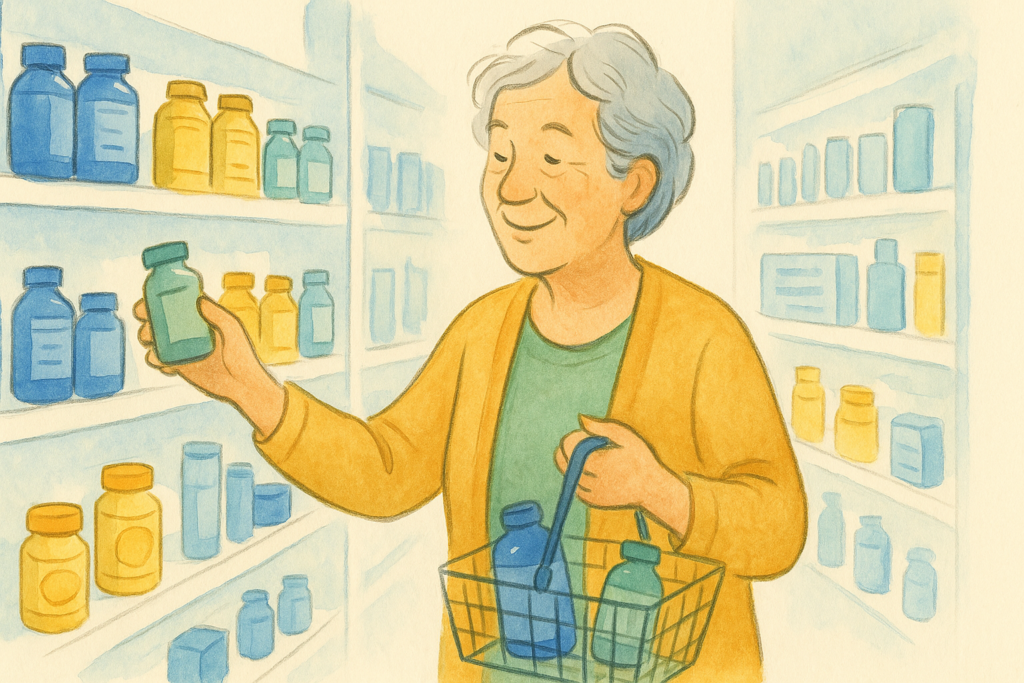
An OTC card is a simple benefit card that comes with many Medicare Advantage and dual special needs plans. You use it to buy everyday health items like pain relievers, vitamins, and first aid supplies, usually up to a set dollar amount each month. OTC stands for over the counter, which just means the health products you can pick up at a store without a prescription. If you have both Medicare and Medicaid, your plan may carry one of the more generous monthly amounts out there. Here’s how the card works, what you can buy with it, and how to find out if a plan in your area offers one.
What is an OTC card?
An OTC card is a preloaded benefit card that some Medicare Advantage plans give their members to spend on approved health and wellness items. It looks and works a lot like a store gift card. Your plan adds a set amount to it on a schedule, and you use that amount to buy covered products.
The key thing to understand is that the money on the card is a plan benefit, not cash and not a government check. You cannot withdraw it or spend it on anything you like. It only works on the items your plan approves, and it usually only lasts for a set period before it resets.
Most plans load the card each month or each quarter. On many plans, if you do not use the full amount in that window, the leftover balance does not roll over. So the general rule is simple: use it or lose it.
What can you buy with an OTC card?
The approved list is built around everyday health needs. Every plan publishes its own catalog of covered items, and the exact list varies by plan and carrier, but most cover the same common categories.
Items usually covered
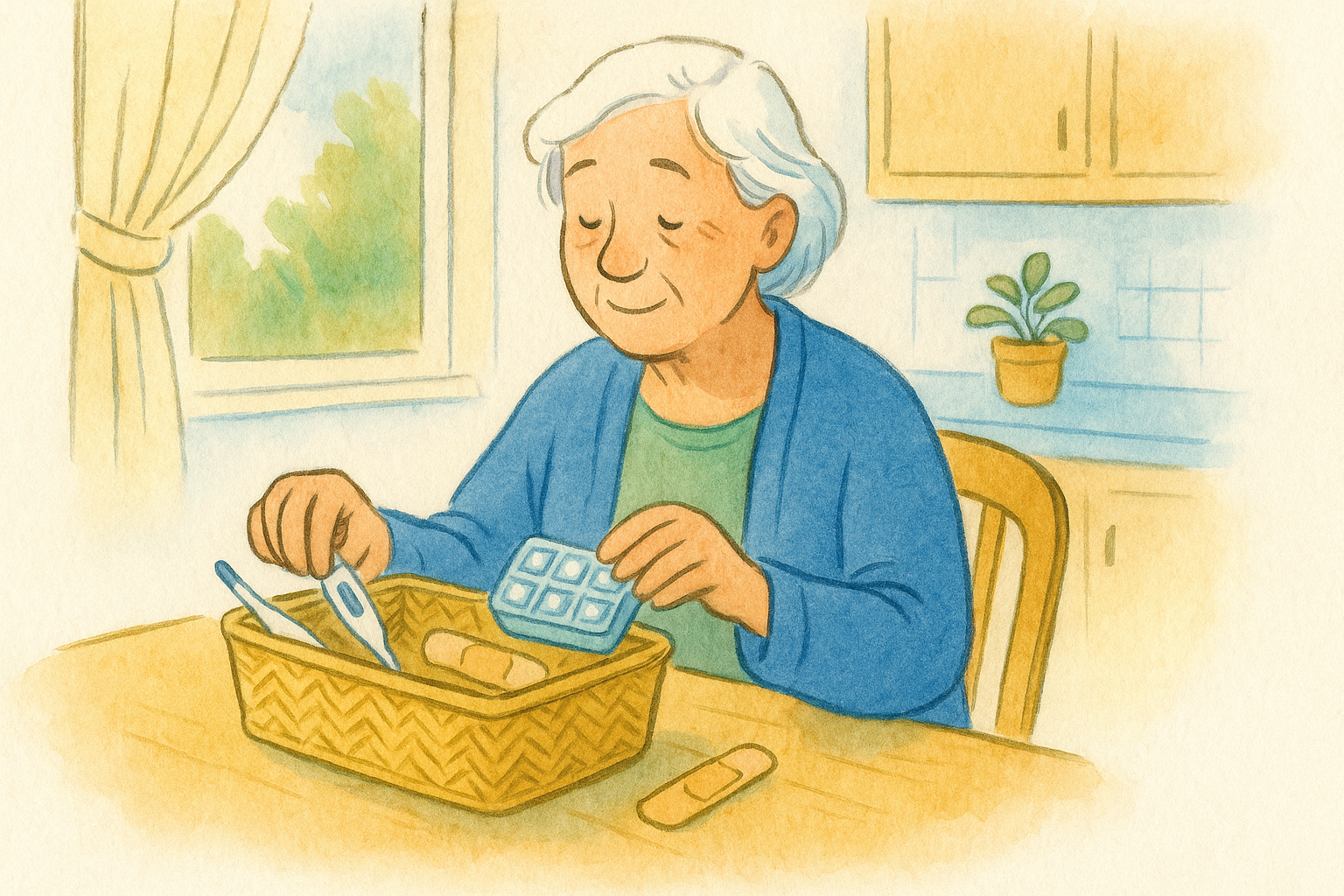
You can typically buy pain relievers, cold and flu medicine, allergy tablets, and other non prescription drugs. Vitamins, supplements, and first aid supplies like bandages and antiseptic are almost always on the list.
Many catalogs also include dental items like toothpaste and denture care, eye care like reading glasses and drops, and personal care basics such as skin lotion and incontinence supplies. Some plans go further and cover things like a blood pressure monitor, a thermometer, or a heating pad.
Items usually not covered
The card is for health products, so it will not cover most household or grocery items on its own. Things like prescription drugs, cleaning supplies, alcohol, tobacco, and general groceries are normally off the list. Always check your plan’s own catalog before you shop, because what one plan allows another may not.
How much is on the card?
The amount depends entirely on the plan, the county, and the year. Some plans offer a small monthly allowance, while certain dual special needs plans carry some of the highest amounts in the market. As a sample, some plans have advertised amounts in the range of $0 to $175 a month, but that figure is only an example and it changes yearly, so treat any amount you see as something to verify.
Because the amount varies so much, two neighbors on different plans can have very different benefits. That is exactly why it helps to compare the plans offered in your own area rather than assume they are all the same.
How do you use the card?
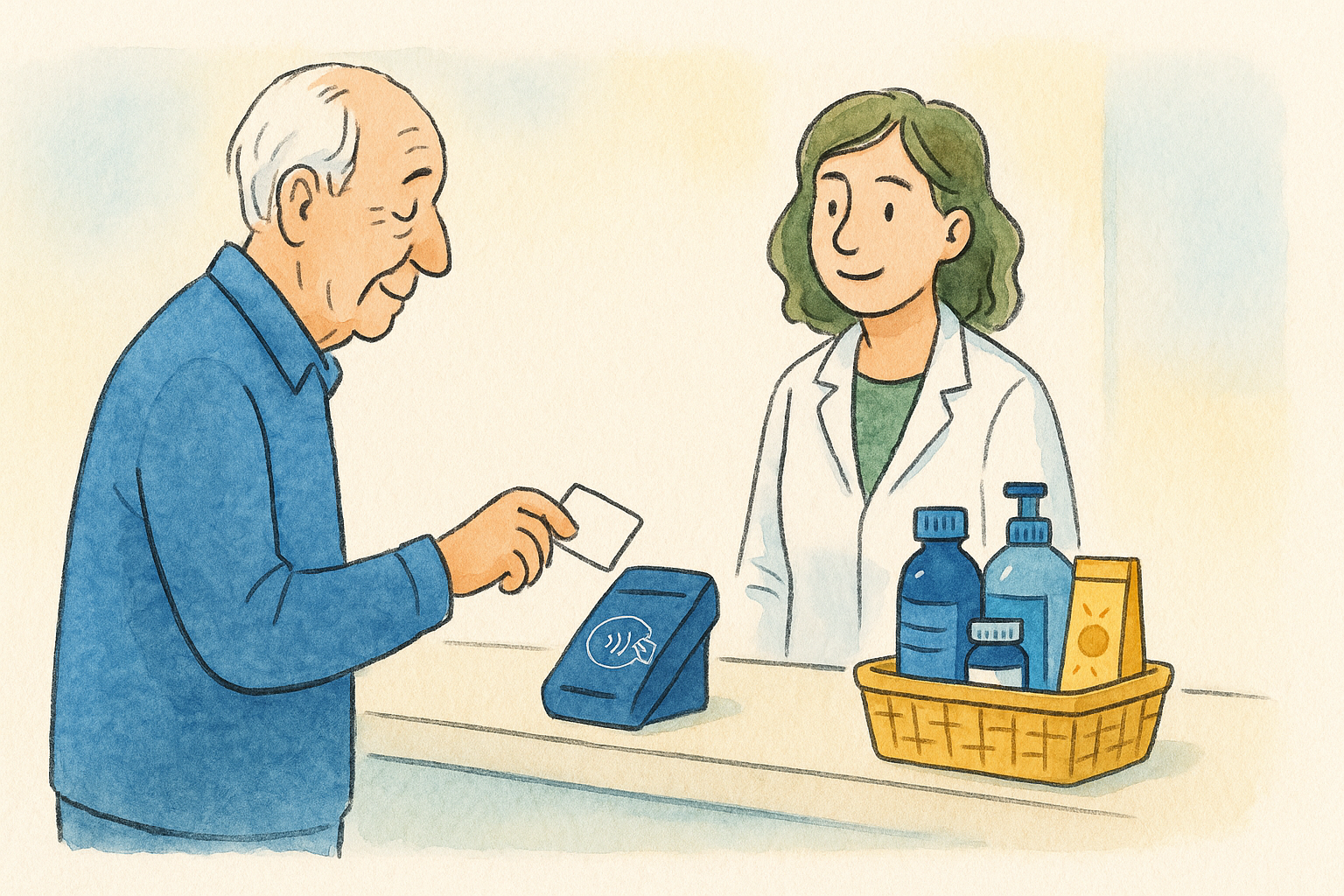
Using the card is meant to be easy. In most cases you shop for covered items, take them to the checkout, and swipe or tap the card like any other payment card. Some plans let you shop by phone, by mail order catalog, or through an online store, which can be handy if getting out is hard.
Plans partner with common pharmacies and retail stores, so you often already shop where the card works. If you are ever unsure whether an item counts, the store or your plan’s member line can tell you before you check out.
An important change for 2026
There is a real update worth knowing about. A special Medicare model that let many dual plans add food and utility help to the same card ended at the end of 2025. Starting in 2026, plans can still offer an OTC card for over the counter health items, but to spend a benefit on healthy food or utility bills, a member generally needs a verified qualifying health condition, such as diabetes or a heart condition.
What that means for you is simple. The everyday health item side of the card is still widely available, but the grocery and utility side now depends on your health situation and your specific plan. This is new for 2026 and details differ by plan and county, so it is worth confirming what your plan actually includes this year.
Dual plans and the card
If you qualify for both Medicare and Medicaid, you may be able to join a dual special needs plan, often called a D SNP. These plans are built for people with both types of coverage, and they tend to carry the richer extra benefits, including some of the larger OTC allowances.
Joining a dual plan does not cost you your Medicaid. You keep your Medicaid, and the dual plan works alongside it to combine your Medicare and Medicaid benefits into one plan with extras layered on top. The card is one of those extras that many people did not know they could get.
To learn how the two programs fit together, our guide on what a dual plan is walks through it in plain language. If you want to check your own situation, the page on whether you are dual eligible is a good next step.

How to get an OTC card
You get an OTC card by joining a plan that offers one. You cannot buy the card by itself, and there is no separate government card to apply for. The steps look like this.
First, confirm you qualify. Most of the plans with the strongest OTC benefits are dual plans, which need both Medicare and Medicaid or a qualifying low income level. Second, look at the plans available in your county, since benefits are set locally. Third, enroll in a plan that fits your needs, and the card arrives after your coverage starts.
A licensed insurance agent can walk you through which plans in your area include a card and how large the benefit is. There is no cost or obligation to ask.
Key takeaways
An OTC card is a plan benefit you use to buy approved over the counter health items, usually up to a set amount each month. It is not cash and not a government check, and the covered items and amounts vary by plan, county, and year. Dual special needs plans often carry the highest allowances, and for 2026 the food and utility side of these cards may require a qualifying health condition. To get a card, you join a plan that offers one, and you keep your Medicaid when you do.
Frequently asked questions
Is the OTC card free money?
No. It is a benefit built into certain plans, limited to approved health products up to a set amount. You cannot take out cash or spend it on anything you want.
Do I lose the balance if I do not use it?
On many plans, yes. The amount often resets each month or quarter and does not roll over, so it helps to use it within each period.
Can I use the card for groceries?
The card on its own is for health items. Some dual plans add a separate food benefit, but for 2026 that food help may require a qualifying health condition. Check your specific plan.
Does having a dual plan cost me my Medicaid?
No. You keep your Medicaid. A dual plan works with it to combine your benefits and add extras like the OTC card.
My Dual Plan is a private information and referral service. We are not an insurance company, an insurance agency, or a licensed producer, and we are not affiliated with, endorsed by, or connected to Medicare, Medicaid, CMS, or any government agency. When you call, you are connected with a licensed insurance agent who can talk through the dual special needs plans they offer in your area. We do not offer every plan available in your area. Any information we provide is limited to the plans we do offer in your area. Please contact Medicare.gov or 1-800-MEDICARE to get information on all of your options.
Want to see whether a plan near you includes an OTC card? Call to talk with a licensed agent for free, with no obligation, and find out if you qualify.
Call (800) 000-0000