
A health allowance card is a benefit that some Medicare Advantage plans give their members to help pay for healthy groceries and everyday health items. If you have both Medicare and Medicaid, you may have heard about this card and wondered whether it is real, how much it holds, and how you get one. Here is a straight answer. It is not cash, and it is not a government check. It is a plan benefit, offered on many dual special needs plans, that loads a set amount onto a simple card you can use at approved stores, if you qualify.
So the card is real. What matters is understanding what it can do, who can get one, and how the rules changed for 2026. Let’s walk through it slowly and clearly.
What a health allowance card actually is
Think of it as a prepaid benefit tied to your plan, not a separate program you sign up for on your own. When a plan includes this benefit, it puts a certain dollar amount on the card on a regular schedule, often each month or each quarter. You then use the card like a debit card at participating stores to buy the items the plan allows.
The name changes from plan to plan. You might see it called a health allowance card, a grocery allowance, a healthy food card, a flex card, or a benefit card. They are cousins of the same idea: a set amount, loaded onto a card, for approved health related spending. What each one covers depends entirely on the plan you are in.
The most important thing to hold onto is this. The money is not yours to spend on anything. It is meant for specific categories, usually healthy food and over the counter health items, and it does not roll over forever. Many plans reset it at the end of the month or quarter, so unused money can disappear.
What you can usually buy with the card
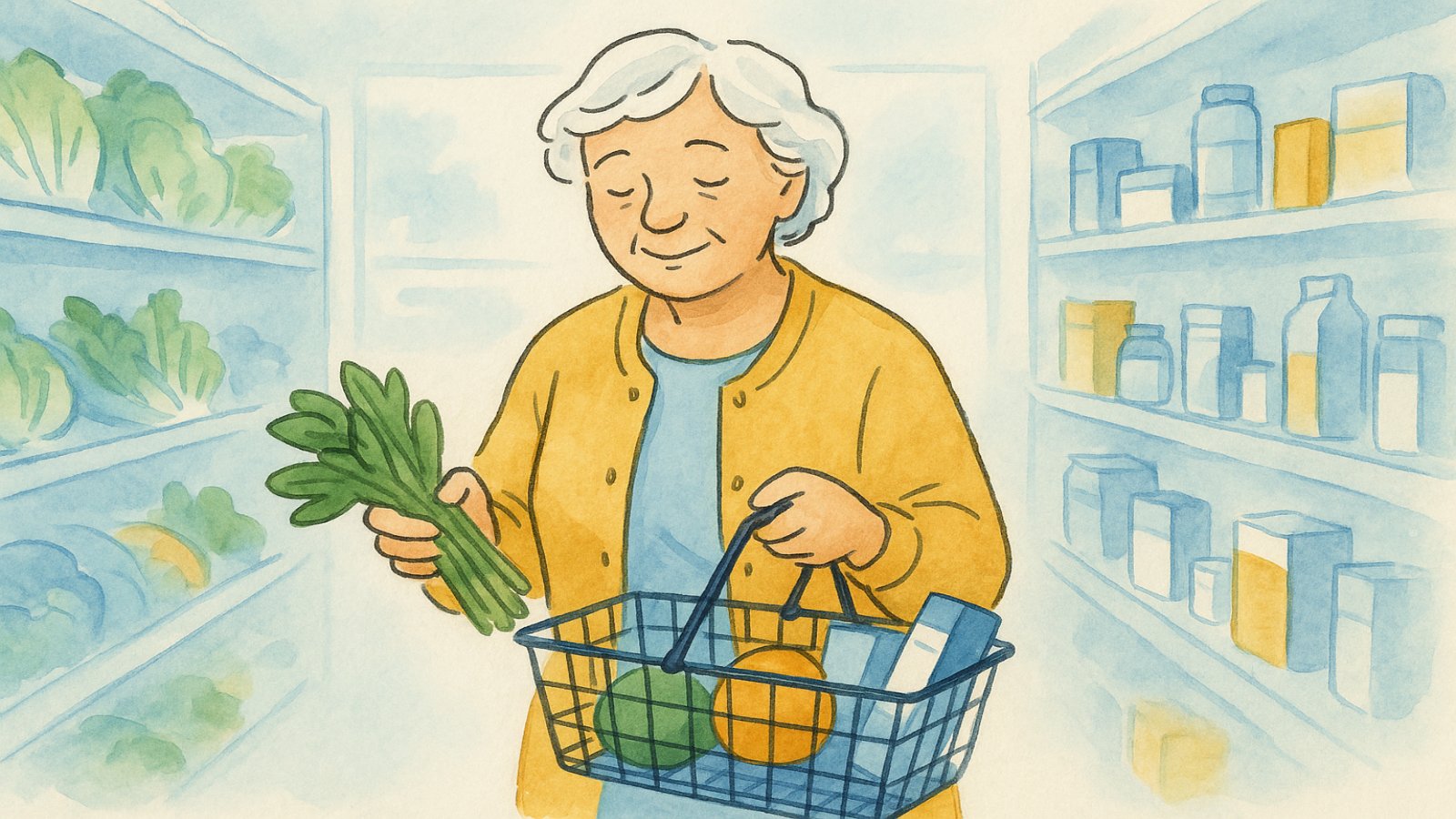
On plans that offer it, the card commonly covers everyday items that support your health. The exact list varies, but here is the kind of thing members often buy:
- Fresh produce, dairy, and other healthy groceries at approved stores
- Over the counter items like vitamins, pain relievers, cold medicine, and first aid supplies
- Personal care basics such as toothpaste, soap, and bandages
- On some plans, help with certain utilities or transportation, if you meet the plan’s rules
What it usually does not cover is just as important. The card is not meant for cash back, alcohol, tobacco, pet supplies, or general household goods. If you try to buy something outside the approved list, the card is simply declined at checkout for that item. There is no penalty, it just will not pay for it.

Who qualifies for a health allowance card
This is where 2026 brought a real change, and it is worth understanding so you are not surprised. To get one, two things generally have to line up.
First, you need to be enrolled in a Medicare Advantage plan that includes the benefit. Not every plan offers it. Dual special needs plans, the plans built for people who have both Medicare and Medicaid, are the most likely to include a food or grocery benefit. Reporting suggests that a large share of dual plans still carry some version of it.
Second, and this is the newer part, many food and grocery benefits are now offered under a rule for members with certain ongoing health conditions. Through the end of 2025, some plans handed out grocery credits broadly under a program called value based insurance design. That program ended at the close of 2025. Starting in 2026, plans that offer a food or grocery allowance generally must tie it to a qualifying chronic condition, such as diabetes, heart disease, or another serious ongoing illness.
If that sounds discouraging, here is the reassuring part. People who have both Medicare and Medicaid often qualify more easily, because dual plans are designed around members who tend to have these conditions and need extra support. The only way to know what you personally qualify for is to check your own situation against the plans offered where you live.
How much is on the card?
There is no single national amount, and anyone who quotes you one flat number is guessing. The credit varies by plan, by county, by carrier, and by year. As a rough sample only, monthly amounts on plans that offer this benefit have ranged from about $25 to $200 a month, and the exact figure depends on the plan and your eligibility. Please treat any dollar figure you see, here or anywhere else, as an example to verify, not a promise.
A few honest reminders about the amount:
- The amount can change from one plan year to the next, so last year’s number may not match this year’s.
- Two neighbors on different plans can have very different credits.
- The benefit is “up to” a limit. You are not guaranteed the top amount just because a plan advertises it.

How a dual plan fits in
If you have Medicare and Medicaid, a dual special needs plan is usually the path to this kind of benefit. A dual plan rolls your Medicare and Medicaid coverage into one Medicare Advantage plan built for people with both. These plans are almost always $0 premium, and many add extras like a grocery or over the counter allowance, dental, vision, hearing, and rides to the doctor, if you are eligible.
Joining a dual plan does not take away your Medicaid. You keep your Medicaid, and the dual plan works alongside it. That is a common worry, and the honest answer is that your Medicaid stays in place. You can learn more on our guide to what a dual plan is, and you can check your status on our am I dual eligible page.
How to find out if you can get one
You cannot order this card by itself. It comes with a plan, so the real question is which plans in your area include the benefit and whether you qualify for one. Here is a simple way to think about the steps:
- Confirm you have, or may qualify for, both Medicare and Medicaid.
- See which dual special needs plans are offered in your county this year.
- Check which of those plans include a food, grocery, or over the counter benefit, and what the current amount is.
- Confirm any condition based rules that apply for 2026.
That is a lot to sort through on your own, and plan details shift every year. The easiest way to get clear, current answers for your county is to talk with a licensed insurance agent who can look at the plans available where you live.
Key takeaways
- A health allowance card is a plan benefit, not cash and not a government check, used for approved healthy food and health items.
- It comes with a Medicare Advantage plan, and dual special needs plans are the most likely to include it.
- For 2026, food and grocery benefits generally require a qualifying health condition, though duals often qualify.
- Amounts vary widely by plan, county, carrier, and year, so treat any figure as a sample to verify.
- Joining a dual plan lets you keep your Medicaid.
Frequently asked questions
Is a health allowance card the same as a flex card?
They overlap. “Flex card” is a broad nickname for a plan benefit card, and this one is a version focused on healthy food and everyday health items. What matters is what your specific plan allows, not the name printed on the card.
Can I get the money as cash?
No. The card only works for the approved categories at participating stores, and it will not give cash back. It is a plan benefit with a purpose, not spending money.
Do I lose my Medicaid if I join a dual plan to get one?
No. You keep your Medicaid. A dual special needs plan works together with your Medicaid, it does not replace it.
What if my plan does not offer this benefit?
Not every plan includes this card, and the rules changed for 2026. If yours does not, another dual plan in your area might, so it is worth checking what is offered where you live.
See if you may qualify
If you have both Medicare and Medicaid, or think you might, it is worth finding out which dual plans in your area include a health allowance card and what they offer this year. It is free, and there is no obligation to enroll.
Call (800) 000-0000My Dual Plan is a private information and referral service. We are not an insurance company, an agency, or a licensed producer, and we are not affiliated with, endorsed by, or connected to Medicare, Medicaid, CMS, or any government agency. When you call, you are connected with a licensed insurance agent who can discuss the dual special needs plans they offer in your area. Benefits, amounts, and eligibility vary by plan, county, carrier, and year, and any figures here are samples to verify with a licensed agent. We do not offer every plan available in your area. Any information we provide is limited to the plans we do offer in your area. Please contact Medicare.gov or 1-800-MEDICARE to get information on all of your options.